
A Railroad Town Turned Commuter Town
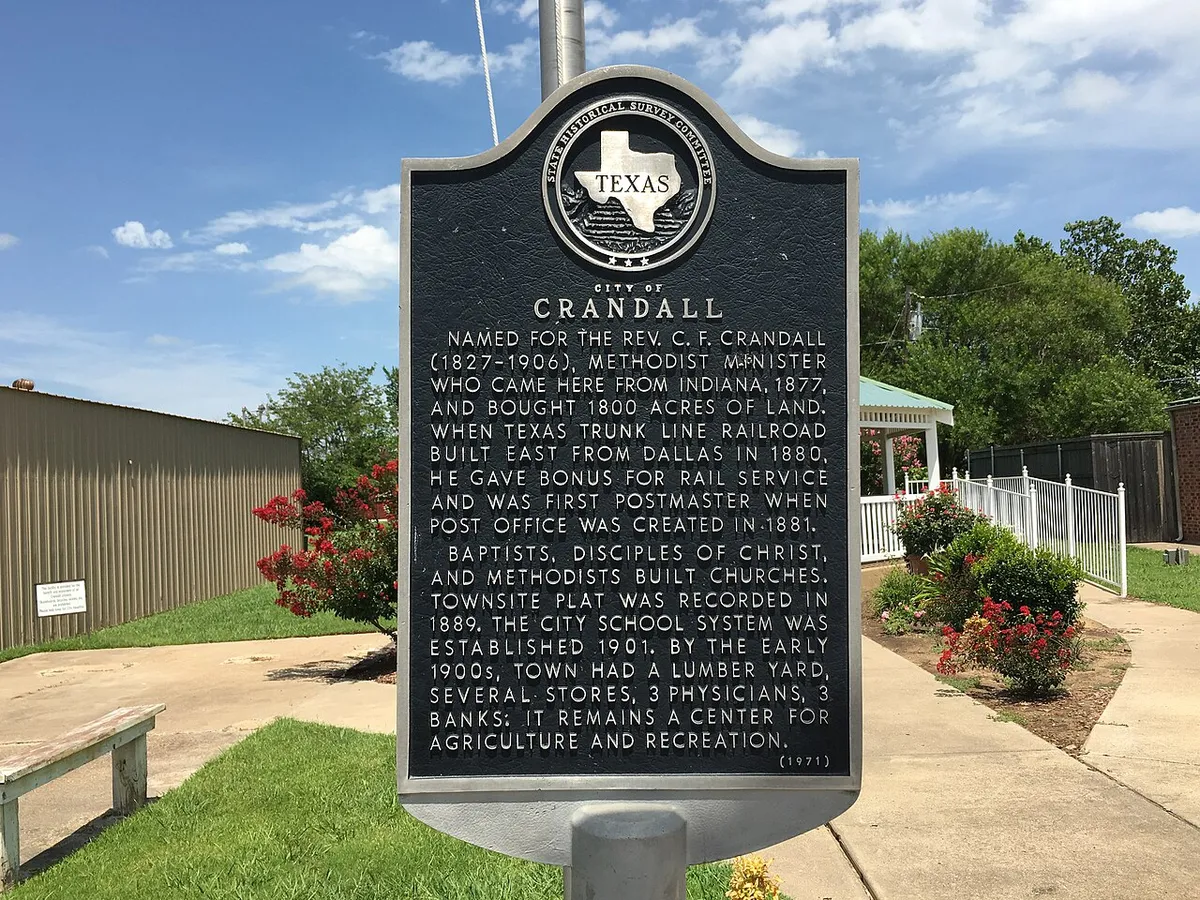
Crandall's state historical marker records a town named for the Rev. C. F. Crandall, who bought land here in 1877, and grown up around the Texas Trunk Line railroad built east from Dallas in 1880, with a post office from 1881. Today it sits on US 175 between Mesquite and Kaufman.
That position shapes the driveway work. Close to town and in master-planned Heartland to the northwest, front drives are concrete and gravel goes behind the fence. Out along the county roads, homes sit on acreage with drives of a few hundred feet that cross a bar ditch to reach the road.
City, County or HOA: Who Sets the Rules
Inside Crandall city limits, ask the city about driveway connections to city streets before work starts.
On county roads, any drive or culvert in the right-of-way needs a Kaufman County culvert permit. Development Services in Kaufman takes the application and the precinct Commissioner sets the pipe size; the permit lasts 12 months. The culvert permit guide has the steps.
In an HOA community, the deed restrictions come first for anything visible from the street, especially RV and trailer pads. See gravel RV and parking pads for sizes.
Building on Crandall Clay
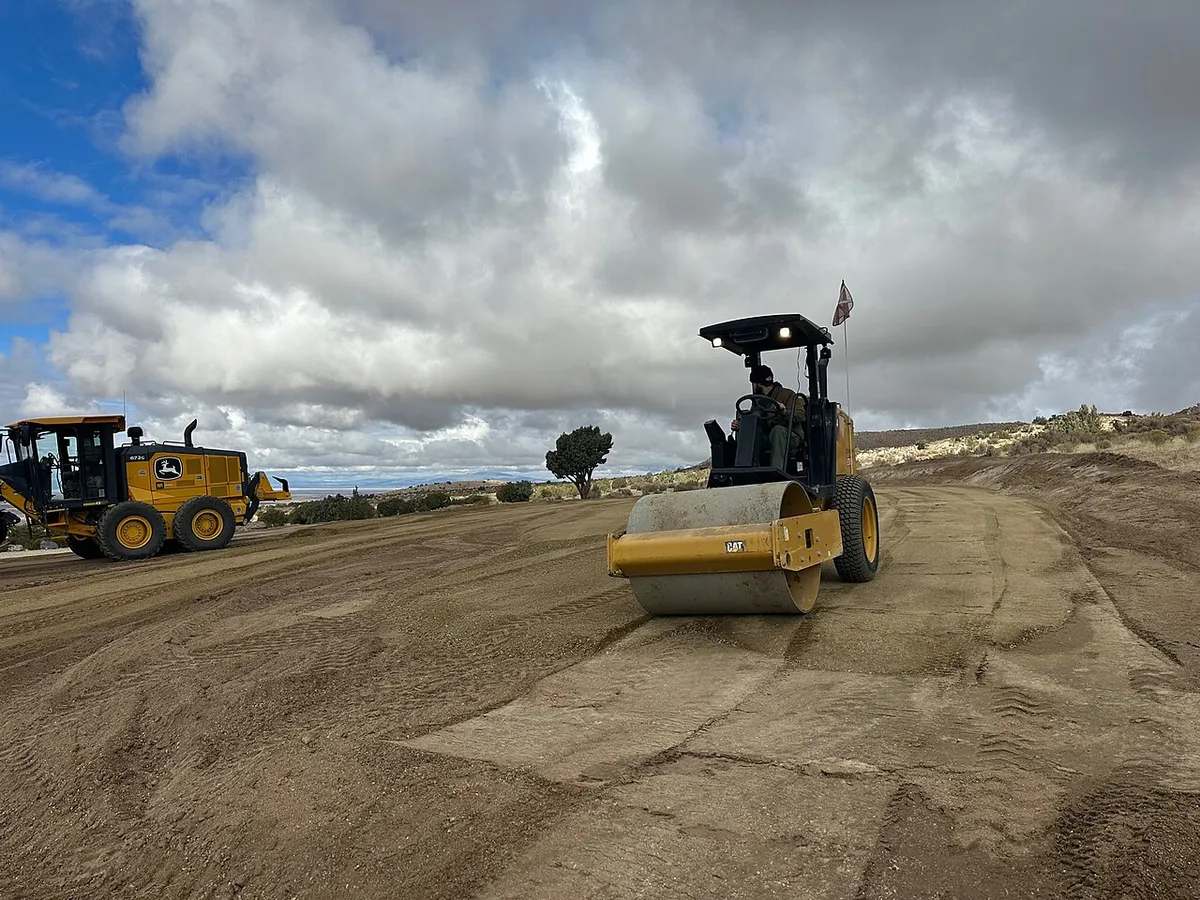
Crandall sits on the same Blackland Prairie clays as Forney, so the build does not change: strip to firm clay, woven fabric, 4 to 6 inches of compacted base in lifts and 2 to 3 inches of crowned top course. For a long acreage drive, cut side ditches so field runoff does not cross the stone. The full sequence is on the gravel driveway installation page.